Messy Bun Graphics: A Freebie That Adds Flair to Your Branding
As a brand designer and content marketer with years of experience in visual storytelling, I’ve reviewed countless design assets—some are forgettable, others become staples. The Messy Bun graphic caught my attention not just for its aesthetic appeal but for how it bridges the gap between casual charm and professional branding. It’s the kind of asset that can subtly elevate your marketing visuals without overwhelming them.
A First Impression Rooted in Relatability
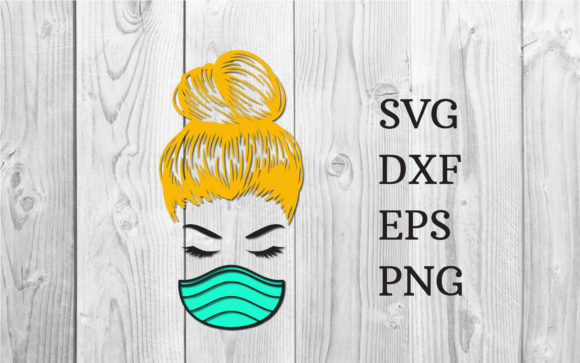
At first glance, the Messy Bun illustration feels approachable and youthful. Its slightly disheveled yet stylized form evokes a sense of laid-back confidence and authenticity. This is particularly valuable in today's market where audiences gravitate toward brands that feel real and human. For lifestyle brands, wellness businesses, or any company targeting a millennial or Gen Z demographic, this design element can serve as a powerful mood setter.
What stands out is how the graphic balances imperfection with intentionality. It doesn’t scream “handmade” but it whispers it—enough to create an emotional tone that aligns well with organic, artisanal, or self-care-focused products. This makes it ideal for use in product launch visuals, social media covers, or even as a subtle accent in packaging inserts.
Practical Use in Real Marketing Projects
Let’s imagine a scenario: You’re helping a small business owner promote their new line of natural hair care products. They need fresh, engaging visuals across multiple platforms. The Messy Bun becomes more than just a clipart—it transforms into a visual anchor that ties together their brand identity.
- Social Media Graphics: Used in Instagram posts or Pinterest pins, the Messy Bun adds a personal touch that resonates with followers. It works especially well when paired with clean typography and minimal text.
- Email Banners: In email campaigns promoting seasonal offers, the graphic can be layered behind call-to-action buttons to add depth and visual interest.
- Canva Templates: As part of a branded template bundle, it helps maintain consistency while allowing users to customize their own promotional materials easily.
- Web Design: Placed within hero sections or website headers, it creates a welcoming atmosphere that encourages user engagement without distracting from key messages.
The versatility of this graphic design asset is evident when applied to different contexts. Whether you're refreshing social media content or building a cohesive brand identity, the Messy Bun can help reinforce a message of simplicity and sincerity.
Supporting Key Marketing Goals
One of the biggest challenges in modern branding is standing out without appearing cluttered. The Messy Bun contributes to several critical goals in this regard:
- Stronger First Impressions: The graphic draws the eye immediately, making it perfect for campaign headers or digital ads where capturing attention quickly is essential.
- Visual Hierarchy: When used strategically, it guides the viewer’s focus toward important elements like headlines or product features.
- Brand Consistency: By reusing the same illustration style across multiple platforms, you enhance audience trust and strengthen brand recognition.
- Emotional Connection: The warm, relatable look of the Messy Bun fosters a sense of familiarity and comfort—key for lifestyle and wellness industries.
- Memorable Campaigns: Unique illustrations like this one help make your designs stand out in a sea of generic templates.
This isn't just another freebie—it’s a tool that supports both creative and commercial objectives. When paired with the right messaging and color palette, it can significantly boost the impact of your digital product promotions or editorial layouts.
Where to Place the Messy Bun for Maximum Impact
After testing the Messy Bun in various scenarios, here are the top spots where it shines:
- Hero Graphics: The illustration adds a soft focal point that enhances the overall warmth of landing pages or blog headers.
- Campaign Headers: Especially useful for event flyers or product launch banners, where a touch of personality can make all the difference.
- Branded Templates: Incorporating it into Canva templates or printable bundles ensures your clients or team can maintain consistent aesthetics.
- Promotional Banners: On Facebook or Google Ads, it breaks up text-heavy spaces and adds a layer of visual intrigue.
- Merchandise & Stickers: Ideal for merchandise such as stickers, T-shirts, or tote bags, where a playful yet polished look is desired.
It also performs well as a decorative brand element on packaging accents or in lead magnets like downloadable guides. The key is to ensure the illustration complements—not competes with—the main message.
When to Use the Messy Bun with Caution
While the Messy Bun is incredibly versatile, there are situations where it may not be the best fit. Here are a few considerations:
- Formal Corporate Branding: If your client operates in finance, law, or enterprise software, the illustration might feel too informal.
- Dense Information Layouts: Avoid using it in areas with high text density or complex infographics where clarity is paramount.
- Small Mobile Graphics: At tiny sizes, the details can get lost. Always test it at 300x300 pixels or smaller to confirm readability.
- Low-Contrast Backgrounds: Because of its lighter tones, it may not pop on muted or pastel palettes. Adjust opacity or placement accordingly.
- Minimalist Brands: While it can work in minimalist designs, overuse could disrupt the balance. Less is more in these cases.
- Text-Heavy Ads: In digital ads where copy is the focus, let the illustration act as a background accent rather than a foreground feature.
These limitations aren’t deal-breakers—they’re simply reminders that thoughtful application is key to leveraging any design bundle effectively.
Designer Tips for Integrating Messy Bun Into Your Workflow
To get the most out of the Messy Bun, here are some practical steps every brand designer should take before finalizing a project:
- Test With Your Brand Color Palette: Import the SVG into your preferred design tool and overlay it with your brand colors to see if it harmonizes.
- Check Black and White Usage: Even if the original file is colorful, ensure it still looks good in grayscale for print or monochrome applications.
- Place in Real Campaign Mockups: Try embedding it in actual mockups of social media posts, web banners, or packaging to assess its role in context.
- Preview on Mobile Screens: Test responsiveness by viewing the graphic on mobile devices to avoid distortion or misalignment.
- Assess Readability in Small Sizes: Resize PNG versions down to 150x150 pixels and check if the lines remain clear and recognizable.
- Compare Against Competitor Visuals: See how it stacks up against similar assets in your niche to ensure it brings something unique to the table.
- Pair With Different Fonts: Experiment with how it interacts with serif, sans-serif, script, handwritten, and display fonts. It often pairs beautifully with cursive or rounded typefaces.
- Review Spacing and Balance: Ensure it doesn’t crowd other design elements or throw off alignment. Use it as a spacing tool to break up rigid compositions.
- Confirm Commercial Licensing: Before using the asset in paid campaigns or client work, verify that the commercial license allows for such usage.
Why This Freebie Belongs in Your Design Toolkit
In the fast-paced world of content marketing and visual branding, having access to high-quality, adaptable graphics is invaluable. The Messy Bun delivers exactly that. Its ability to blend casual charm with professional polish makes it a rare find in the creative marketplace. Unlike many freebies that feel amateurish or outdated, this illustration has the potential to support a wide range of marketing needs—from printable promotions to digital ads.
If you’re looking to inject a bit of life into your brand identity or refresh your social media graphics, consider integrating the Messy Bun into your next project. It’s a small detail that can make a big difference in how your audience perceives your brand.
Final Thoughts on Messy Bun as a Branding Tool
From an experienced designer’s perspective, the Messy Bun is a standout asset in the freebies category. It offers a level of sophistication that goes beyond typical clipart, while maintaining the warmth and spontaneity needed for modern creative design. When used thoughtfully, it can help you build stronger emotional connections, improve audience trust, and craft visuals that feel intentional yet inviting.
So whether you're designing a lead magnet, preparing a media kit, or crafting a product label, the Messy Bun could be the subtle, strategic addition your design needs to resonate with your target market.