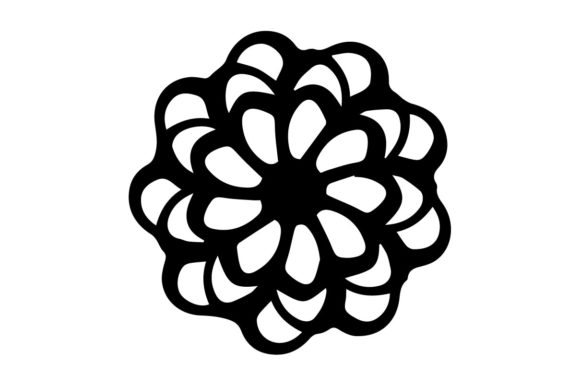
Mandala Pattern Stencil for Embroidery: A Designer’s Practical Take
As an embroidery designer with years of experience in creating custom products for both personal and commercial use, I always approach a new design with a critical eye. The Mandala Pattern Stencil is one such design that caught my attention—not just because of its aesthetic appeal, but for how well it could translate into real-world projects. In this review, I’ll walk you through what I observed during my first look at the file, how it performed when applied to various surfaces, and where to use it wisely.
First Impressions: Mood and Visual Personality
The Mandala Pattern Stencil has a calming, organic feel that immediately suggests a spiritual or meditative theme. Its circular composition with flowing lines and balanced symmetry gives it a timeless quality. It's not overly intricate, which makes it versatile, but still detailed enough to add visual interest without overwhelming the fabric.
As a digital embroidery file, the shapes are clean and well-organized. Being 100% vector-based means there’s no pixelation or distortion, even when scaling up or down. The color palette is soft and harmonious—perfect for those who want to maintain a soothing vibe across their embroidered products. While the file includes PNG, EPS, and JPG formats, it's clear that the primary focus is on precision and scalability for machine embroidery designs.
Real-Life Use: What Works and Where
I tested the Mandala Pattern Stencil on a few common embroidery project types to see how it would hold up in real scenarios. Here’s what stood out:
- Tote Bag Design: The mandala worked beautifully as a central motif on a cotton canvas tote bag. The high resolution (300dpi) ensured crisp edges, especially when using satin stitch around the perimeter. Customers would likely appreciate the elegant, handcrafted look it added to a reusable bag.
- Sweatshirt Embroidery: On a medium-weight fleece, the fill stitch areas were smooth and didn’t pucker. I used light stabilizer underneath and found that the pattern stitched evenly without pulling. It gave the sweatshirt a subtle yet stylish touch, ideal for boutique branding or personalized gifts.
- Embroidered Patch: When converted into an applique design, the mandala looked fantastic. The layered elements allowed for depth while maintaining clarity. This would be perfect for Etsy sellers offering embroidered patches for bags, denim jackets, or accessories.
- Nursery Decor: As a wall hanging or pillow cover design, the mandala brought a sense of serenity. Parents often look for meaningful, artistic patterns for baby items, and this one checks all the boxes.
- Holiday Gifts: The design also lent itself well to tea towels and aprons. When paired with holiday-themed thread colors, it transformed into a festive yet elegant gift option.
Overall, the Mandala Pattern Stencil is adaptable and has a natural home in crafts like custom apparel, handmade products, and small shop merchandise. It adds a professional touch without being too flashy, which can be a huge plus for your finished product.
Where to Be Cautious: Fabric and Surface Considerations
While the Mandala Pattern Stencil looks great on many surfaces, some applications require more careful planning:
- Small Hoop Sizes: If you're working within tight hoop dimensions, make sure the design isn't too large. Scaling down may reduce the impact of the inner details, so adjust accordingly or consider a simpler version.
- Textured or Stretchy Fabrics: Avoid using this design on materials like stretch knit unless you have a compatible stitch layout. Textured fabrics may cause the fill stitches to appear uneven or distorted if not properly stabilized.
- Dark Fabric Backgrounds: The soft color scheme doesn’t pop as much on darker materials. Test it in black and white mockups before choosing thread colors to ensure visibility and contrast.
- Curved Surfaces: Embroidering onto caps or curved items will require some manual tweaking. Check the stitch direction and density to prevent puckering or misalignment.
- Frequent Washing: For items like baby clothes or kitchen towels, consider the durability of the threads used. Dense stitch areas might become stiff over time, so balance between coverage and comfort.
These factors don’t diminish the design’s value—they simply highlight the importance of thoughtful application. Every good embroidery project starts with understanding the limitations and possibilities of the design and fabric combo.
Visual Appeal and Branding Impact
One of the strongest points of the Mandala Pattern Stencil is its ability to enhance visual appeal. The repeating motifs and gentle curves create a cohesive look that feels intentional and refined. Whether used as a standalone graphic or part of a larger design set, it contributes to a polished, recognizable brand identity.
In terms of customer trust and buyer engagement, the mandala design offers a classic yet modern aesthetic that appeals to a wide audience. People looking for personalized gifts or unique handmade products often gravitate toward nature-inspired and spiritual themes. The Mandala Pattern Stencil taps into that trend subtly, making it suitable for both individual hobbyists and commercial embroidery ventures.
Designer Notes: Best Practices Before You Stitch
Before integrating the Mandala Pattern Stencil into any project, here are a few practical tips based on my experience:
- Test on Scrap Fabric: Always run a test piece before stitching on final garments. This helps identify potential issues with stitch density or alignment.
- Check Thread Color Contrast: Make sure your chosen thread colors stand out against the fabric. Soft pastels may get lost on lighter materials, while bold colors could overpower delicate textures.
- Review Stitch Density: Look at how the fill and running stitches interact. Too dense and the fabric becomes stiff; too sparse and the design loses definition. Adjust based on the item's function and fabric weight.
- Confirm Hoop Size: The design might need a specific hoop size depending on the garment. Measure twice before setting up your machine.
- Inspect Small Details: Since the stencil is symmetrical, tiny elements near the center or outer edges can easily get missed. Zoom in and ensure every line flows correctly.
- Use Proper Stabilizer: Especially for thin or stretchy fabrics, a good stabilizer is key to preventing puckering and ensuring clean lines.
- Verify Commercial Use Rights: If you’re planning to sell finished products or digital embroidery files, double-check the licensing terms. Some stencils are strictly for personal use, and using them commercially without permission can lead to legal issues.
For digital product sellers, the included PNG and JPG files work well for printable mockups. They allow for quick visualization of how the design will appear on different items, helping buyers understand the final product better. This can boost sales confidence and reduce returns due to mismatched expectations.
Stitch Clarity and Handmade Presentation
When stitched out, the Mandala Pattern Stencil maintains a level of detail that feels hand-crafted but precise. The organized layers help keep the embroidery process smooth, reducing the risk of misaligned elements. This kind of clarity is essential for hobbyists who want their handmade products to look professionally made.
On a sweatshirt, for example, the mandala appeared sharp from a distance but had enough texture up close to show the effort put into the embroidery. That duality is important—it keeps the design from looking flat or generic.
Product Value and Giftability
This design elevates the perceived value of any product it's placed on. Whether you're an Etsy seller adding a touch of mindfulness to your offerings or a craft business owner looking to expand your holiday collection, the Mandala Pattern Stencil adds a layer of sophistication that customers notice.
It's also highly giftable. Think about embroidered pillows, custom baby blankets, or even wedding favors. The mandala’s universal appeal makes it a safe bet for a wide range of audiences. Just pair it with the right colors and materials to match the occasion.
Final Thoughts for Creative Entrepreneurs
From a creative entrepreneur’s perspective, the Mandala Pattern Stencil is a solid addition to your design assets. It’s ready to use in both personal and commercial embroidery projects, though always confirm licensing before selling anything. Its adaptability allows it to fit into multiple niches—spiritual, bohemian, minimalist, or even luxury—depending on how you style it.
What I appreciated most was how the design felt like it belonged. It wasn’t trying too hard to be trendy, nor was it stuck in the past. Instead, it offered a quiet elegance that works across seasons and styles. Whether you're designing for a craft fair, a boutique, or your own small shop product line, this stencil brings a level of thoughtfulness that stands out.
So go ahead, bring the Mandala Pattern Stencil into your next embroidery project—but do it with care. Like any good design, its success depends on how well it’s applied. With the right preparation and attention to detail, it can become a signature element in your portfolio or store listings.