Icon Building Bank Filled Line Style: A Versatile Graphic for Handmade Creations
As an experienced crafter and handmade business designer, I’m always on the lookout for graphic design assets that can elevate my products while maintaining a clean, professional look. Recently, I tested out the Icon Building Bank Filled Line Style, and I’m excited to share my honest review based on real crafting scenarios. This graphics freebie is part of a growing trend among creative entrepreneurs who need high-quality, scalable designs without the cost of custom illustrations.
First Impressions and Visual Mood
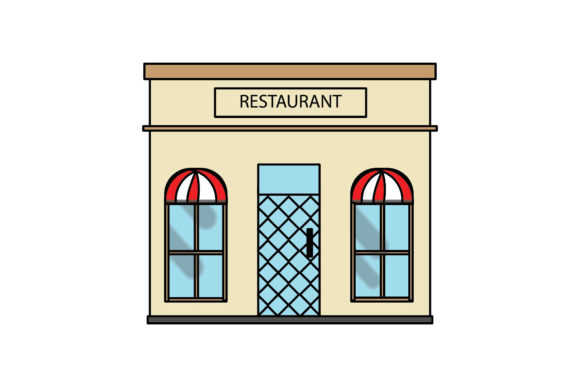
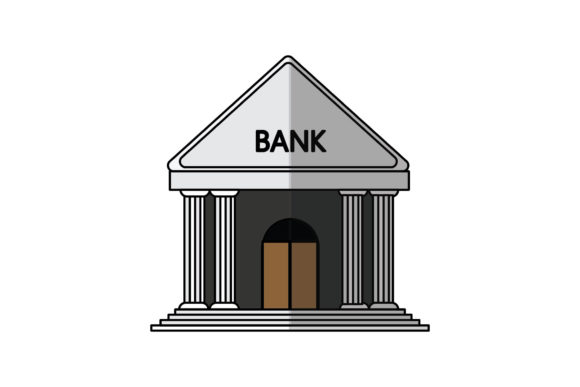
The first thing I noticed about Icon Building Bank Filled Line Style was its modern yet cozy aesthetic. The filled line style gives it a polished feel, perfect for creating a sense of sophistication in any handmade project. It doesn’t scream bold or flashy, but rather offers a subtle charm that works well with minimalist or rustic themes. If you’re into muted tones or want your products to feel approachable and elegant, this design has a mood that matches.
I can already see how this could attract customers looking for something personalized yet refined. Whether it’s a gift tag for a small business owner or a printable wall art piece for a home office, the design feels versatile enough to blend into many different styles. It also has a premium look, which makes it ideal for branding or product packaging where visual consistency matters.
Real-World Applications for Crafters and Etsy Sellers
One of the biggest strengths of Icon Building Bank Filled Line Style is its adaptability across various mediums. Here are some of the ways I’ve used it in recent projects:
- Cricut Project: I tried cutting it onto vinyl for a set of planner stickers. The clean lines made it easy to cut accurately, even on slightly textured materials.
- SVG Design for Tumbler Wraps: The size (1920px X 1280px) worked well when resizing for tumbler wraps. I just adjusted the scale and added a simple border to frame it nicely.
- Mug Design: When using it as a sublimation design on white ceramic mugs, the icon stood out beautifully. It looked especially nice paired with a handwritten font for a personalized touch.
- Printable Wall Art: As a digital product, I layered it over a soft background pattern for a client's print-on-demand shop. The PNG file preview showed great transparency, so it printed cleanly on both light and dark paper.
- Handmade Packaging: I incorporated the design into kraft paper gift tags by adding a small text overlay. It gave the packaging a cohesive, branded look without being too busy.
Each format — AI, EPS, SVG, and DXF — handled well in different software I use daily, including Adobe Illustrator and Silhouette Studio. The vector-based files ensured crisp edges regardless of scaling, which is essential for quality control in handmade shops.
Best Uses for Icon Building Bank Filled Line Style
This asset shines in several areas:
- Large Cut Files: Its generous canvas size makes it ideal for big-format items like banners or framed prints.
- Clean Printable Layouts: For those creating digital downloads or printables, the design’s clarity and simplicity are a huge plus.
- Seasonal Craft Bundles: I paired it with other icons in a fall-themed bundle for my Etsy shop. It fit right in with nature motifs and autumn color palettes.
- Gift Products and Decorative Accents: It looks fantastic on wooden signs, fabric totes, and acrylic keychains. I used it on a linen tote bag with a script font and received great customer feedback.
- Product Mockups: When showing off what a finished item might look like, this design adds a professional finish without overwhelming the mockup.
- Small Business Branding: I placed it subtly on my company’s thank-you cards and packaging. It helped reinforce a consistent brand identity with minimal effort.
Why This Freebie Feels Like a Pro Tool
While labeled as a freebie, Icon Building Bank Filled Line Style feels like a commercial design due to its clean composition and scalability. It’s not cluttered, and each element is purposeful, making it easier to integrate into existing layouts. The filled line style avoids the “sketchy” look common in many free cliparts, giving it a more finished appearance.
Where to Use It Carefully
Of course, no graphic design asset is perfect for every project. Here are a few areas where caution is needed:
- Very Small Cutting Details: Because the design includes intricate elements, resizing it too small may cause Cricut or Silhouette machines to struggle with fine lines.
- Thin Lines and Crowded Compositions: If you’re combining it with other dense graphics or working with thin strokes, it may get lost or become hard to read.
- Low-Contrast Color Schemes: The design relies on clear shapes, so if you're using pastel colors or gradients, test it out before finalizing your project.
- Layered Vinyl Projects: Since it’s one solid shape, it won’t work as easily for multi-layered vinyl cuts unless you edit the layers manually.
- Small Sticker Sizes: If you plan to use it on tiny stickers, consider simplifying the layout or focusing on only a portion of the design.
These limitations don’t mean the asset isn’t valuable — they simply highlight the importance of understanding your tools and target audience before using them in production.
Practical Crafter Notes Before You Start
Here are some steps I took before using Icon Building Bank Filled Line Style in my shop:
- Test the File: Always do a test cut or print, especially if you're using it for customer orders or at a craft fair.
- Check SVG Lines: Open the SVG file in your design software to ensure there are no broken paths or messy nodes.
- Preview PNG Transparency: Make sure the PNG version shows up clearly on both white and colored backgrounds.
- Confirm Resolution for Sublimation: At 1920px X 1280px, it’s suitable for most sublimation printers, but verify if you're printing on large surfaces like pillows or blankets.
- Test Colors Before Printing: Try applying it to your chosen materials in different color schemes to find the best match for your brand.
- Place on Real Mockups: I always create mockups using Canva or Photoshop to show potential buyers how it will look on their actual items.
- Resize for Different Products: Whether it’s a mug or a greeting card, adjust the size proportionally and keep the design centered.
- Simplify the Layout if Needed: Sometimes less is more. I removed extra details from the original design to focus on the main icon for smaller products.
- Pair With Fonts: It complements serif fonts for a classic vibe, sans-serif for modern looks, and even scripts for a whimsical touch.
- Confirm Commercial Licensing: Even though it’s a freebie, make sure you have permission to use it for customer orders or resale. Many designers offer commercial licenses for their graphics.
A Solid Addition to Any Craft Designer’s Toolkit
In my experience, Icon Building Bank Filled Line Style is a strong contender for any handmade business that values efficiency and aesthetics. It fits naturally into seasonal collections, especially for holidays or events related to architecture, finance, or urban themes. The versatility of the formats means you can use it whether you're designing for a local market or preparing a new batch of Etsy products.
For DIY creators and small business owners, this graphic design asset is a time-saver. It eliminates the need for hiring an illustrator for basic icon needs, and since it comes in multiple file types, you can confidently use it across all your favorite crafting platforms.
Final Thoughts for Creative Entrepreneurs
If you’re in the process of building a design bundle for your next holiday season or planning a fresh collection for your handmade shop, Icon Building Bank Filled Line Style is worth considering. It brings a level of professionalism that’s often missing in free design assets, and it aligns well with the clean, modern trends popular in today’s creative marketplace.
However, remember that context is everything. What works for a large t-shirt design might not be suitable for a tiny sticker. Take the time to test it on your preferred materials and adjust as necessary. That’s the hallmark of a good crafter — knowing when to modify a design to suit your needs.
All in all, I’d say this is a great addition to any designer’s library of graphics and freebies. It’s not just a pretty picture — it’s a practical tool that helps you create better-looking, more consistent products faster.