Food Vector Design Graphic: A Freebie for Digital Sellers
If you're a digital product creator, Etsy seller, or print-on-demand entrepreneur, you know how important it is to have versatile and high-quality design assets in your toolkit. Recently, I came across the Food Vector Design Graphic, and after testing it across several commercial applications, I wanted to share my real-world impressions and insights.
First Impressions of Food Vector Design Graphic
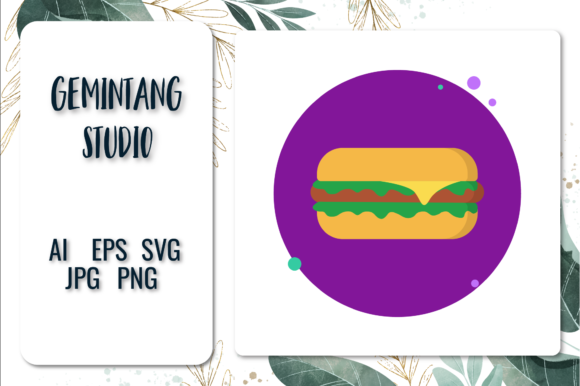
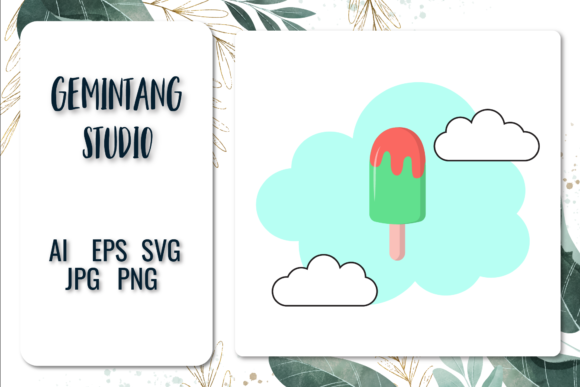
The first thing that struck me about this free graphic design asset was its visual clarity. It has a clean and stylized look that feels modern yet approachable—perfect for food-themed businesses or creative projects where the subject needs to pop without overwhelming the viewer. The design’s aesthetic suggests it could work well for both casual and more polished audiences. Depending on how you style it, it can lean towards playful, rustic, or even premium visuals.
I found that the Food Vector Design Graphic had a strong niched appeal, especially for those selling kitchenware, meal planners, bakery templates, or any food-related merchandise. It doesn’t scream “commercial,” but it does feel like something that could easily be integrated into brand identity or used as part of a themed collection. This makes it ideal for sellers who want their products to feel cohesive and professional.
Real-World Applications for Digital Sellers
This design asset isn’t just another clipart file—it's a foundation for multiple types of sellable digital products. Here are some practical ways I've tested using it:
- T-shirt designs: The vector format allows for crisp edges and scalability, which is essential when printing on fabric.
- Mug and tumbler wraps: Resizable without loss of quality, making it suitable for curved surfaces.
- Planner stickers and greeting cards: Especially good for printable wall art or decorative planner elements.
- Canva templates: When layered with other graphics, it adds a nice visual touch to social media posts or blog headers.
- Cricut projects: The editable nature of SVG files means you can tweak paths and layers before cutting materials.
- Sublimation prints: Clean lines and no pixelation made it a solid candidate for heat-transfer projects.
- Digital paper packs: Ideal for scrapbooking kits or printable calendars where food imagery enhances the theme.
What stood out most was how easy it was to adapt the design across different formats while maintaining a consistent look. That kind of flexibility is gold for anyone building a seasonal bundle or expanding their creative marketplace listings.
How to Present Food Graphics Professionally
When evaluating a design for online selling, one of the biggest factors is how it looks in context. Here’s what I recommend for showcasing the Food Vector Design Graphic effectively:
- Use mockups for previews: Test the design on realistic product mockups like mugs, tote bags, or phone cases to see how it performs visually.
- Optimize thumbnail appeal: Crop the most eye-catching part of the design for use in thumbnails. Bright colors or bold outlines work best here.
- Check dark and light backgrounds: Make sure the design maintains contrast and readability whether placed on white, pastel, or black surfaces.
- Pair with fonts for branding: I tried it with serif, sans serif, script, and display fonts. A handwritten font worked surprisingly well for a cozy vibe, while a modern sans helped it look more commercial.
- Build themed bundles: Combine it with other related graphics to create a cohesive set—ideal for digital download shops or Etsy collections.
Using this asset consistently across your product range helps build a recognizable brand identity. Whether you’re targeting a handmade business audience or focusing on digital downloads, the right presentation can make all the difference in perceived value and customer trust.
Where This Design Works Best
Here are the scenarios where I found the Food Vector Design Graphic to shine the most:
- Large product previews: Its detailed structure holds up at higher resolutions, making it great for featured images.
- Themed design bundles: Pair it with other food-related vectors for a complete set of illustrations or SVGs.
- Printable wall art: The vector layout allows for resizing without distortion, so it works well for large-format prints.
- Social media templates: Especially useful for content creators who need engaging visuals for recipe blogs or meal prep guides.
- Merchandise graphics: Perfect for apparel, drinkware, or accessories that celebrate food culture.
- Product mockups: Helps visualize how the design will appear once printed or applied to physical goods.
Its versatility makes it a great fit for both digital and physical products. As long as you consider the final output medium, you’ll find plenty of places to integrate it.
Caution Zones: Where to Use Carefully
While the Food Vector Design Graphic is impressive, there are a few areas where I’d recommend using it carefully:
- Tiny sticker details: Some elements may become too intricate when scaled down, affecting legibility.
- Overly complex layouts: Don’t try to cram too many versions into one template; it might reduce visual hierarchy.
- Low-resolution print jobs: Always verify the PNG and SVG resolution if planning to print, especially for packaging design.
- Crowded thumbnails: Keep it simple and focus on one standout element to avoid visual clutter.
- Dark backgrounds with weak contrast: Adjust line weights or color overlays to maintain visibility.
- Text-heavy templates: Let the design complement the text rather than compete with it.
- Cricut or Silhouette projects: Inspect the SVG cut lines closely to ensure compatibility with your machine settings.
These considerations aren't deal-breakers—they're just reminders that thoughtful integration is key to a successful listing. Always test the design in your target environment before publishing.
Practical Seller Notes for Using Food Design Assets
As someone who regularly evaluates design assets for commercial use, here are a few tips I followed while working with Food:
- Test it on real mockups: See how it looks on actual product images to catch any scaling issues.
- Preview as an Etsy thumbnail: Ensure it stands out against competitors by optimizing size and color contrast.
- Check PNG transparency: Confirm the background is fully transparent for layering or overlay purposes.
- Inspect SVG cut quality: If using for Cricut or Silhouette, verify that the paths are clean and precise.
- Confirm file resolution: For print-on-demand platforms, always check the DPI and dimensions of PNGs and JPEGs.
- Organize files clearly: Provide layered files and clear instructions for customers using Canva or other tools.
- Verify commercial licensing: Before listing anything based on this design, double-check the license terms to avoid legal pitfalls.
Final Thoughts from a Digital Product Creator
The Food Vector Design Graphic is a solid addition to any digital seller's library. While it's labeled as a freebie, its quality and usability suggest it was built with commercial intent. It’s not a one-size-fits-all solution, but with a bit of experimentation, you can tailor it to fit a wide range of graphic design needs—from t-shirt graphics to social media templates.
If you're preparing a new product collection for Etsy, Creative Fabrica, Shopify, or other creative marketplaces, this design can help elevate your offerings. Just remember to test it thoroughly in your intended use cases, and don’t hesitate to pair it with complementary assets to build stronger visual storytelling.
In short, if you're looking for a graphics freebie that can support your next round of digital product creation, Food is worth a closer look.