Family Flat Arts Icons Review for Embroidery Projects
As a seasoned embroidery designer and product reviewer, I often find myself sifting through digital design files to determine their practicality for real-world use. Recently, I came across Family Flat Arts Icons, a set of six digital graphics with a canvas size of 1920px X 1280px, available in AI, EPS, SVG, and DXF formats. These are positioned as freebies in the graphics category—so it's important to evaluate them not just on aesthetic merit but also on how they translate into actual embroidered items.
First Impressions: A Versatile Design Language
The Family Flat Arts Icons bring a clean, minimalist aesthetic that’s both modern and timeless. The flat art style is ideal for embroidery because it avoids overly intricate shading or gradients, which can be hard to stitch accurately. Each icon has a consistent visual language, making them feel cohesive and professional when used together. The shapes are well-balanced, with smooth curves and defined edges that lend themselves nicely to satin stitches and fill patterns.
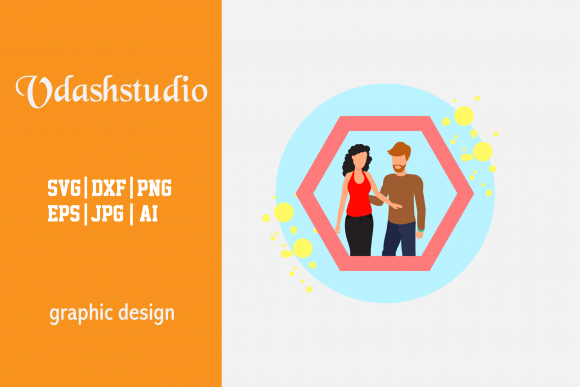
I immediately thought these would look great on custom apparel—especially sweatshirts and tote bags where bold, simple designs shine. The theme centers around family-related motifs like hearts, children, hands, and small icons that evoke warmth and connection. This makes them perfect for personalized gifts, nursery decor, or even boutique branding. It’s the kind of design that feels thoughtful without being overdone.
Layout and Detail Level
Each icon is designed with a clear focal point and minimal clutter. That’s a big plus for embroidery designers who need to ensure that the final stitched outcome remains legible and visually appealing. While there isn’t much fine detail to speak of (which is expected given the flat style), this simplicity helps maintain clarity on different fabric types and hoop sizes.
I noticed that the layout works especially well when scaled down. Unlike more complex illustrations that lose definition at smaller sizes, these icons retain their personality and balance. That means you can confidently apply them to patches, caps, or even baby clothes without worrying about the design becoming distorted or illegible.
Real-Life Embroidery Applications
Let’s imagine using these icons on a custom embroidered tote bag for a local handmade shop. The flat style allows for quick stitching, and the limited thread color palette ensures it doesn’t become overwhelming. The design could easily be paired with text or other symbols to create a unique, branded item. For an Etsy seller, this could mean creating a line of reusable grocery bags with subtle, elegant family-themed accents.
In another scenario, picture adding one of these icons to a sweatshirt embroidery project for a kids’ boutique. The soft, rounded shapes and warm tone of the icons complement pastel fabrics and add a sense of charm. They work particularly well when combined with other elements like names or dates, turning a basic garment into a personalized gift.
For embroidered patches, the Family Flat Arts Icons are a solid choice. Their shape and detail level make them easy to stitch out cleanly, and the vector-based formats allow for precise scaling. Whether sewn onto backpacks, denim jackets, or baby carriers, they offer a decorative yet understated touch.
When considering nursery decor or holiday gifts, the icons provide a gentle, inclusive vibe. They’re not too childish, nor too generic—they strike a nice middle ground that appeals to a wide audience. On pillow covers or tea towels, the flat style adds a modern flair while keeping the design from looking too busy.
Where to Use with Caution
While these icons are versatile, there are certain situations where extra attention is needed. First, if you plan to embroider on small hoop sizes, you’ll want to test the scale carefully. Even though the original canvas is generous, reducing the design too much may cause small details to disappear or become difficult to stitch clearly.
On textured fabrics like flannel or canvas, the design might appear slightly less crisp due to the fabric’s uneven surface. In such cases, adjusting stitch density or using a light stabilizer underneath can help maintain the design's integrity.
Also, avoid using the icons on thin or stretchy fabrics without proper backing support. Since the design relies on clear outlines and minimal internal fills, any stretching or puckering during the embroidery process could affect the final look. Dark-colored fabrics might require testing with different thread colors to ensure visibility and contrast.
Curved surfaces like caps or hats present another challenge. The flat nature of the icons means they won’t wrap naturally around a round surface unless you adjust the layout accordingly. If you do plan to use them here, consider isolating key parts of the design or repositioning elements to fit the curvature better.
Design Impact on Product Value and Branding
What stands out most is how these icons enhance the visual appeal of a finished product. They give your items a polished, professional look that aligns with today’s trend for clean, intentional design. As a result, they can elevate the perceived value of your handmade product, whether it’s a custom apron for a client or a batch of holiday embroidery gifts for sale.
From a business perspective, the icons contribute to brand consistency. Their uniform style allows for multiple applications across different products, reinforcing a cohesive identity. For digital product sellers, the included formats are a bonus—they enable seamless integration into printable mockups or online previews, helping buyers visualize the final outcome before purchasing.
Customers tend to respond positively to designs that feel personal and meaningful. The family theme in these icons taps into that emotional response, making them ideal for personalized gifts or commercial projects targeting parents, grandparents, or families celebrating milestones like weddings or holidays.
Customer Trust and Engagement
Using machine embroidery designs like Family Flat Arts Icons can boost customer confidence. Clean, scalable vector files suggest professionalism, and the flat art style is widely appreciated in the crafting community. As an Etsy seller or craft fair vendor, including these icons in your offerings can signal quality and attention to detail—both of which are crucial for buyer engagement.
They also perform well as commercial embroidery assets. Though categorized as freebies, their quality is suitable for resale, provided you confirm the licensing terms. This flexibility is a huge advantage for those running a small shop product line or managing a craft business with recurring design needs.
Practical Designer Notes
- Test on scrap fabric first: Before committing to a production run, always test the design on a piece of your intended fabric to check how the stitches lay and how the design scales.
- Check thread color contrast: Especially on dark backgrounds, choose thread colors that pop and remain visible after stitching.
- Review stitch density: Make sure the design doesn’t have overly dense areas that might pucker or tear the fabric.
- Confirm hoop size: If you're planning to reduce the design significantly, double-check that your machine supports the adjusted dimensions.
- Inspect small details: Look closely at corners and lines to ensure they don’t get lost when scaled down.
- Use black and white mockups: This helps assess how the design will look with different color schemes or fabric textures.
- Compare light and dark fabric backgrounds: You may need to tweak thread colors depending on the base fabric shade.
- Use proper stabilizer: Especially on thin or stretchy materials, a good stabilizer will keep your design from distorting.
- Check licensing for commercial use: Always verify if the design can legally be used for sales or digital products.
Final Thoughts for Creative Entrepreneurs
If you're looking for a reliable embroidery file that balances style and functionality, the Family Flat Arts Icons are worth exploring. They offer a fresh take on family-themed embroidery without leaning into clichés. Their adaptability makes them suitable for everything from custom apparel to small shop merchandise, and their clean composition ensures they’ll hold up across various projects.
However, like any design, they’re not a one-size-fits-all solution. Be mindful of fabric choices, stitch placement, and overall scale. With some thoughtful preparation, though, they can become a valuable addition to your design toolkit, enhancing the finished product with a touch of warmth and professionalism.
So next time you’re brainstorming a new embroidery project, consider pulling out these icons. Just remember to stitch them out with care—and maybe even a little love.